

Packaging Innovation Blends Craft, Sustainability, Design
London Packaging Week Innovation Awards highlight industry creativity and engineering excellence, with entries for 2026 open until April 24.
www.easyfairs.com
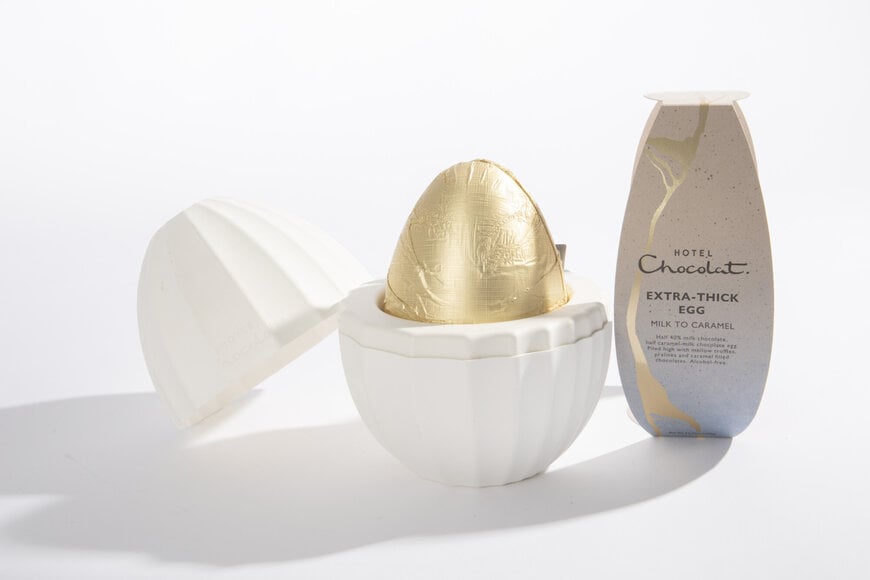
The 2025 London Packaging Week Innovation Awards 2025 showcased how packaging design integrates engineering, sustainability, and brand storytelling, with entries now open for the 2026 edition.
Context: Packaging as a technical and creative discipline
Packaging is increasingly recognised as a multidisciplinary field combining materials science, mechanical design, and branding. Beyond containment, modern packaging must meet requirements for sustainability, user interaction, and manufacturability.
The Innovation Awards highlight how companies are addressing these demands through new materials, structural concepts, and production techniques.
Sustainability and materials innovation
Several winning entries demonstrated advances in sustainable materials. Developments included mushroom-based substrates that grow rapidly and decompose within weeks, as well as the use of post-consumer recycled (PCR) materials in premium applications.
Other solutions integrated waste streams into packaging design, such as incorporating by-products into structural or decorative elements. These approaches reflect a shift toward circular material strategies while maintaining performance and aesthetics.
Engineering and functionality in packaging design
Mechanical innovation also played a key role. Designs featured mechanisms such as lift systems and structural elements that enhance user interaction while maintaining durability and manufacturability.
In luxury segments, packaging incorporated engineered opening systems and structural components to create controlled user experiences, combining precision mechanics with high-end materials.
Balancing performance and brand identity
Across categories, packaging solutions demonstrated how technical requirements—such as recyclability, durability, and compatibility with production processes—can be aligned with brand differentiation.
Designers emphasised tactile interaction, visual finish, and usability, ensuring that packaging contributes to daily product engagement while meeting industrial constraints.
Collaboration across the value chain
The awards also highlighted the importance of collaboration between material developers, packaging designers, manufacturers, and brand owners. Many projects required coordinated development to align sustainability goals with production feasibility and cost considerations.
This integrated approach enables faster adoption of new technologies and supports scalable implementation across supply chains.
Industry impact and future outlook
The diversity of entries—from consumer goods to luxury packaging—indicates that innovation is occurring across all segments. Key trends include:
- Increased adoption of bio-based and recycled materials
- Integration of mechanical and structural design for user experience
- Greater emphasis on lifecycle impact and recyclability
- Collaboration to accelerate commercialisation of new concepts
Event and participation
Entries for the 2026 awards are open until 24 April, with winners to be announced at London Packaging Week 2026, taking place on 16–17 September 2026 at Excel London.
Conclusion: Packaging as engineered experience
The 2025 award winners demonstrate that packaging is no longer a passive component but an engineered system combining materials innovation, mechanical design, and brand storytelling. As sustainability and functionality continue to shape development, packaging is evolving into a critical element of product value and user experience.
Edited by an industrial journalist, Lekshman Ramdas, with AI assistance.
www.easyfairs.com
