
www.foodpackautomation.com
27
'26
Written on Modified on
Paper-Based Barrier for Aseptic Beverage Cartons
Tetra Pak introduces a paper-based barrier to replace aluminium in aseptic cartons, targeting lower carbon impact and improved recyclability.
www.tetrapak.com
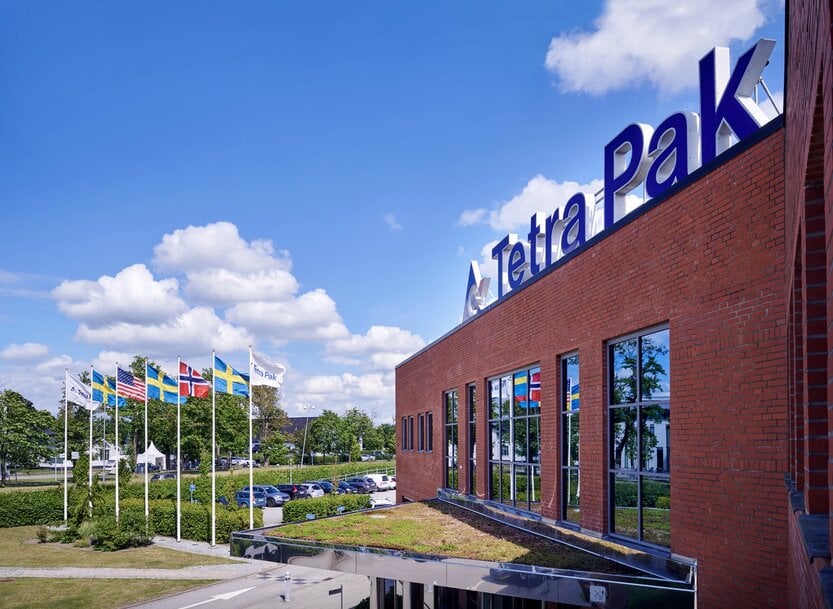
Tetra Pak has introduced a new aseptic beverage carton design that replaces the traditional aluminium foil layer with a paper-based barrier, increasing renewable material content and reducing the carbon footprint of carton packaging.
Shifting aseptic packaging materials
Aseptic beverage cartons have historically relied on a multi-layer structure combining paperboard, polymer layers, and aluminium foil to protect contents from oxygen and light. Tetra Pak’s new solution removes the aluminium layer and replaces it with a paper-based barrier, increasing the paper content of the carton to around 80%.
When combined with plant-based polymers, the new structure raises the traceable renewable content of the carton to up to 92%. According to Tetra Pak, this material shift can reduce the carbon footprint of an aseptic carton by up to 43%, based on lifecycle assessment methodologies used by the company.
Implications for recycling processes
Beyond carbon reduction, the innovation simplifies the overall material composition of the carton. By moving from three primary materials—paper, polymers, and aluminium—to two—paper and polymers—the new design is intended to improve compatibility with existing recycling infrastructure.
Simplification of the material structure is expected to support higher recovery rates of paper fibres during recycling. It also aims to improve the quality of both fibre and non-fibre fractions generated in the recycling process, potentially increasing the value and reuse potential of recovered materials.
Investment in pilot-scale development
To support industrialization of the paper-based barrier, Tetra Pak is investing €60 million in a dedicated pilot plant in Lund, Sweden. The facility is designed to accelerate development and validation of the new barrier material and its integration into full packaging systems.
The pilot plant will enable testing across the entire manufacturing chain, from barrier production to packaging material conversion and filled package performance. This end-to-end approach is intended to provide customers with data on processing behaviour, scalability, and compatibility with existing aseptic filling systems.
Location and research collaboration
Lund was selected as the site for the pilot plant due to its proximity to Tetra Pak’s existing research and material development activities. The location also enables close collaboration with Lund University and access to advanced analytical and testing infrastructure.
In particular, Tetra Pak cited access to the MAX IV Laboratory, which provides high-resolution material characterization capabilities. These resources support detailed analysis of barrier performance, fibre structure, and material interactions at different stages of development.
Application context
The replacement of aluminium with a paper-based barrier addresses growing pressure on food packaging manufacturers to reduce reliance on fossil-based and high-impact materials while maintaining food safety and shelf-life requirements. For aseptic packaging, barrier performance is critical, as it directly affects product stability without refrigeration.
By investing in pilot-scale infrastructure and collaborating with academic and research institutions, Tetra Pak is positioning the paper-based barrier as a potential next step in aseptic carton development, balancing sustainability objectives with the technical demands of large-scale food and beverage packaging.
www.tetrapak.com
