
www.foodpackautomation.com
27
'26
Written on Modified on
JBT Marel Optimises White Panther's Shrimp Processing with SmartLine Grader
Automated grading system improves throughput, reduces giveaway by 12%, and supports consistent product quality in seafood processing.
marel.com
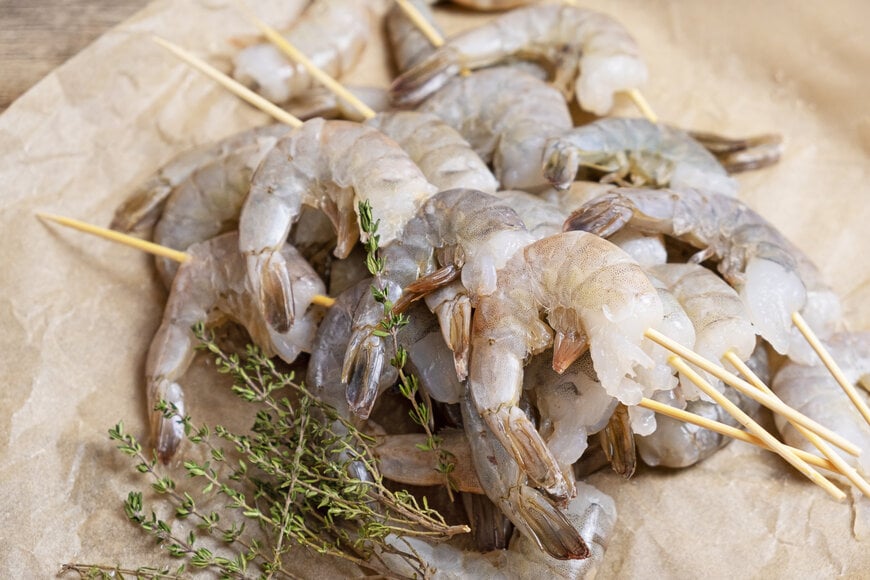
Seafood processing, aquaculture, and food production increasingly rely on automated grading systems to ensure consistent product quality while optimizing yield and labor efficiency. JBT Marel has deployed its SmartLine Grader at White Panther, enabling automated shrimp sorting based on weight and count while improving operational performance.
The system is designed to replace manual grading processes, delivering higher accuracy and throughput within time-sensitive production environments.
Automated grading for time-critical seafood processing
Shrimp processing requires rapid handling to maintain freshness, particularly when products must be processed on the same day as harvest. The integration of the SmartLine Grader into White Panther’s production line has reduced bottlenecks and improved processing speed during peak harvest periods.
By automating grading tasks, the system ensures that large volumes can be processed within required timeframes without compromising quality.
Precision grading to reduce product giveaway
Accurate grading is essential for meeting customer specifications, especially in premium seafood markets where portion size and consistency are critical. The SmartLine Grader sorts shrimp based on weight, count, or minimum weight thresholds, enabling precise batch formation.
This level of accuracy has resulted in a measurable reduction in product giveaway—excess product included beyond specified weight—by approximately 12%. Reducing giveaway directly improves yield and profitability in processing operations.
Supporting consistent quality for premium markets
For suppliers serving high-end restaurants and retail markets, maintaining consistent product specifications is essential. Automated grading ensures uniformity across batches, helping processors meet strict quality requirements and customer expectations.
The system’s ability to deliver repeatable results supports reliable supply chains and reduces variability associated with manual sorting.
Addressing labor constraints through automation
Labor availability is a common challenge in food processing industries, particularly for repetitive and manual tasks such as grading. The SmartLine Grader automates these operations, reducing dependency on manual labor while improving staff productivity.
By reallocating personnel to higher-value tasks, processors can optimize workforce utilization and maintain efficient operations with fewer resources.
Positioning within seafood processing technologies
Automated grading and sorting systems are also offered by companies such as BAADER and Uni-Food Technic, which provide solutions for weight-based and size-based sorting.
Key performance factors in this segment include grading accuracy, processing speed, yield optimization, and ease of integration into existing lines. The SmartLine Grader addresses these requirements by combining high-speed operation with precise measurement capabilities.
Improving efficiency in sustainable aquaculture operations
White Panther operates a land-based shrimp farming system using locally sourced water, heat, and energy, emphasizing sustainability and resource efficiency. The integration of automated grading technology aligns with these objectives by reducing waste and improving processing efficiency.
By combining precise grading with automated workflows, the SmartLine system supports both economic and environmental performance in seafood production.
Edited by Natania Lyngdoh, Induportals Editor — Adapted by AI.
www.jbtmarel.com
