
NETZSCH NOTOS Multi Screw Pump and Barrel Emptying System Technology
NETZSCH Pumps USA provides integrated screw pump and container emptying systems for viscous and shear-sensitive fluid transfer in food and consumer goods manufacturing processes.
www.netzsch.com
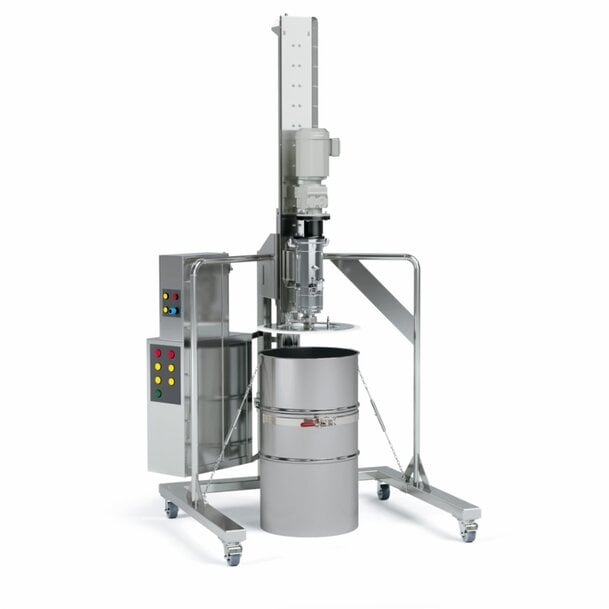
The system is designed for food and consumer product manufacturing, specifically for the transfer of high-viscosity and shear-sensitive media. Primary applications include the processing of syrups, flavorings, chocolate, and viscous gels. These fluids require controlled handling to prevent changes in physical properties, such as aeration or texture degradation, during transport from storage containers to production lines.
Multi screw pump mechanism and performance
The NOTOS 2NSH sanitary multi screw pump functions as the core component of the fluid transfer system. This pump technology utilizes a screw geometry that produces minimal pulsation and maintains a continuous flow rate. In technical applications, low pulsation is necessary to ensure precise dosing and to protect the integrity of shear-sensitive materials. The mechanical design includes robust seals and hygienic materials that comply with sanitary regulations, facilitating use in environments requiring high levels of cleanliness and operational reliability over extended service periods.
Integration of follower plate systems for product recovery
To address material loss in drum-based storage, the pump is integrated into a Barrel Emptying System utilizing a follower plate. This mechanical assembly applies pressure to the fluid surface, ensuring the pump remains primed while physically clearing the container walls. This mechanism increases product recovery rates, which is technically significant when handling high-value ingredients or thick pastes that do not flow under gravity. The system facilitates the transfer of media directly into downstream equipment such as mixing tanks or packaging lines.
Sanitary design and maintenance protocols
The system incorporates Clean-in-Place (CIP) functionality, allowing the internal components to be sanitized without complete teardown. This design reduces the duration of maintenance cycles and minimizes operational downtime between batches. The assembly is constructed for straightforward disassembly, providing access for manual inspection or component replacement when required by safety protocols or process changes.
Edited by an industrial journalist, Lekshman Ramdas, with AI assistance.
www.netzsch.com
