
www.foodpackautomation.com
03
'26
Written on Modified on
Fibre-Based Fruit Packaging for Long-Distance Shipping
DS Smith develops recyclable packaging designed to protect fresh produce during extended transatlantic transportation and optimize agricultural supply chains.
www.dssmith.com
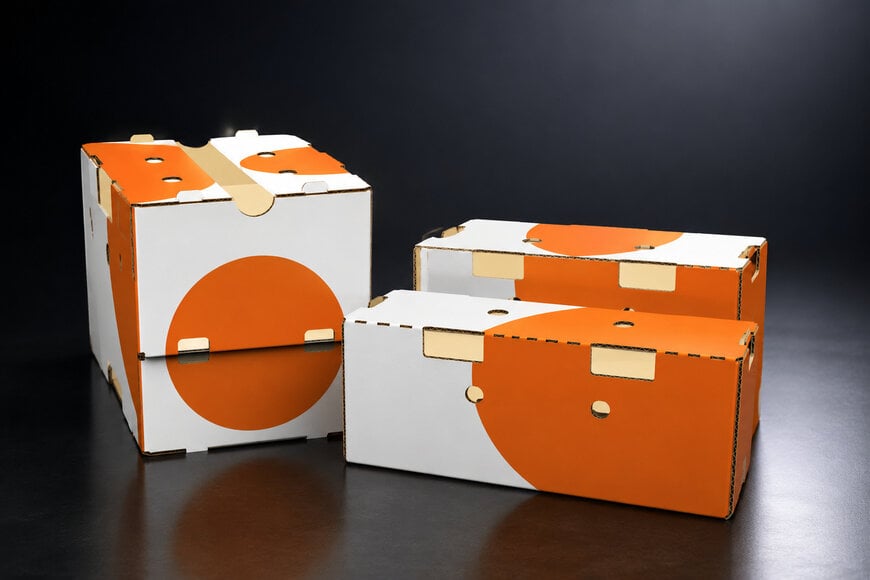
DS Smith, an International Paper company, has introduced a fibre-based packaging solution for fresh fruit transportation that is designed to maintain product quality during long-distance export journeys. Developed for kiwifruit and other fresh produce suppliers in Greece, the closed-tray system addresses the challenges associated with transatlantic logistics, where transportation periods can exceed 45 days. The solution combines structural durability, recyclability and compatibility with controlled-atmosphere packaging technologies to support sustainable agricultural supply chains.
Packaging Design for Extended Fresh Produce Transport
Fresh fruit exports require packaging capable of protecting products from mechanical damage while maintaining suitable storage conditions throughout the distribution process. Long maritime transport routes can expose produce to fluctuations in temperature, humidity and handling conditions, making packaging performance a critical factor in product preservation.
The closed-tray design consists of a 10 kg capacity structure comprising a body, base and integrated top lid. Ventilation openings created through die-cut manufacturing techniques are incorporated into the sidewalls to facilitate airflow around the packaged produce. The tray has been engineered with reinforced internal corner structures that improve stacking strength and durability without requiring additional reinforcement materials.
According to DS Smith, the lightweight construction also enables increased loading capacity during transportation, supporting logistics efficiency while reducing packaging material usage.
Fibre-Based Alternative to Plastic Packaging
The packaging is manufactured from high-quality virgin paper fibre designed to provide the strength and durability required for long export journeys. As a fibre-based solution, the tray offers an alternative to conventional plastic produce packaging while remaining recyclable within established paper recovery systems.
The structural design supports the preservation of fresh fruit during transportation by maintaining packaging integrity throughout the supply chain. Producers can additionally insert intelligent atmosphere-control and temperature-management bags within the sealed trays before export. These systems allow exporters to regulate internal environmental conditions according to the requirements of specific fruit varieties, extending freshness during transit.
This approach aligns with broader industry efforts to reduce plastic use in food packaging while maintaining product protection and shelf-life performance.
Circular Packaging Design and Material Optimization
The development process incorporated DS Smith’s Circular Design Metrics methodology, a framework used to evaluate packaging circularity across multiple sustainability indicators. The assessment examines factors including supply chain optimization, recyclability, material efficiency, renewable material sourcing and carbon footprint.
Using these metrics, the design team sought to minimize material consumption while maintaining structural performance. The resulting packaging was developed to facilitate collection, recycling and reprocessing into secondary raw materials after use, supporting circular economy objectives.
According to Giorgos Filippoglou, Managing Director of the Greek Cluster within the Packaging Division of DS Smith Hellas, the design focused on recyclability, durability and operational efficiency while maintaining low material weight for international logistics applications.
Operational Efficiency in Produce Packing Facilities
In addition to transportation performance, the packaging has been designed to support efficient packing operations. The tray structure enables assembly on automated forming equipment and can contribute to faster packing processes compared with more complex packaging formats.
The exterior surface also supports multiple printing and branding methods, allowing fresh produce exporters to customize packaging for retail and distribution requirements.
The solution was supplied exclusively to kiwifruit producers in Greece until 2026. DS Smith currently reports annual global deliveries of approximately 1.5 million trays to customers worldwide.
Role in Sustainable Food Supply Chains
Agricultural exporters are increasingly seeking packaging solutions that balance product protection, logistics efficiency and environmental performance. Fibre-based packaging formats are gaining attention as food producers and retailers work to reduce reliance on single-use plastics while maintaining product quality during international distribution.
The new tray solution reflects the growing integration of sustainable packaging technologies within food logistics networks and demonstrates how packaging design can contribute to supply chain optimization while supporting circular economy goals.
Additional Context: This section details technical specifications and competitive benchmarking not included in the original product announcement
The global market for fresh produce packaging includes fibre-based solutions from companies such as Smurfit Westrock, Mondi, International Paper and Stora Enso. Packaging for export fruit shipments is typically evaluated according to stacking strength, ventilation efficiency, moisture resistance, recyclability, pallet optimization and compatibility with modified-atmosphere storage technologies.
Compared with traditional plastic crates, fibre-based corrugated packaging can offer lower material weight and improved recyclability, although performance depends on paper grade, structural design and transportation conditions. Many exporters of kiwifruit, citrus fruit, grapes and berries increasingly combine fibre-based packaging with modified-atmosphere liners to extend product shelf life during long export journeys.
Industry benchmarks for fresh produce packaging also focus on material utilization efficiency, carbon footprint reduction and compatibility with automated packing systems. The integration of ventilation features, reinforced structural elements and atmosphere-control options places this packaging solution within the category of advanced fibre-based produce transport systems designed for international agricultural logistics.
Edited by Sucithra Mani, Induportals editor – adapted by AI.
www.dssmith.com
