
www.foodpackautomation.com
18
'26
Written on Modified on
Biological Modeling for Cumulative Time-Temperature Monitoring in Food Logistics
Vitsab utilizes enzyme-based chemical reactions to translate thermal exposure histories into visual safety signals for the global perishable food supply chain.
vitsab.com
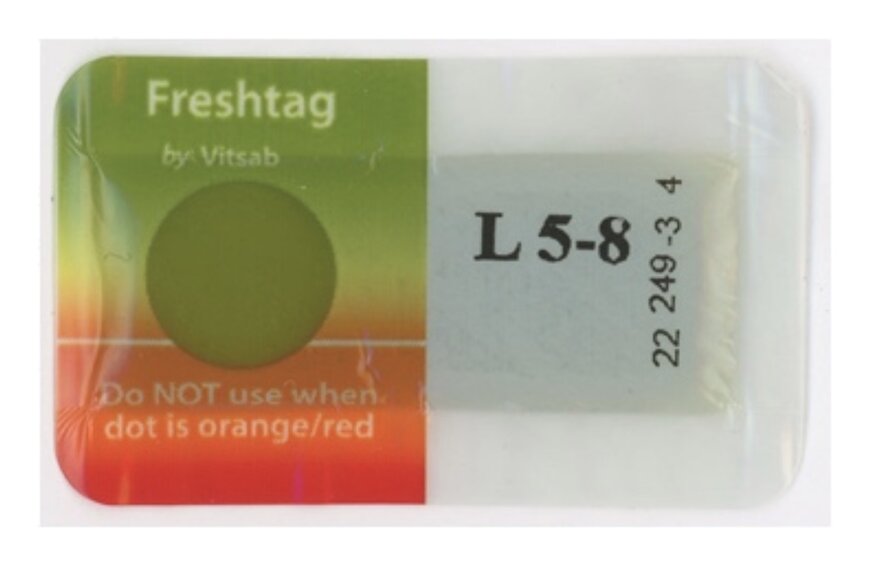
The management of perishable food distribution requires consistent monitoring of thermal exposure across complex supply chains. Products such as seafood, prepared meals, and airline catering undergo frequent environmental transitions between refrigerated storage, transit hubs, and final delivery points. These fluctuations directly influence microbial growth and product stability, necessitating monitoring systems that account for the cumulative impact of time and temperature rather than isolated data points.
Biochemical Mechanisms of Thermal Tracking
The technical foundation of time-temperature indicators relies on an enzyme-driven biochemical reaction housed within a label. These systems contain two isolated components: a biological catalyst and a substrate. Upon activation, the interaction between these components initiates a controlled reaction that shifts the pH level within the indicator. This chemical progression causes a permanent, non-reversible color change that serves as a record of thermal history.
The kinetics of this reaction are governed by ambient conditions. Warmer temperatures accelerate the enzymatic process, while refrigeration slows the reaction rate. Because the process is cumulative and irreversible, the indicator preserves a continuous record of temperature spikes and recoveries. This mechanism provides a technical advantage over traditional threshold-based monitors, which may trigger based on brief fluctuations that do not necessarily impact the biological safety of the food product. By integrating thermal history into a single visual signal, the system mirrors the cumulative environmental factors that drive spoilage.
Calibration and Microbial Growth Modeling
The precision of a time-temperature indicator depends on its calibration to the specific microbial risks of a product category. Different food items possess unique spoilage profiles and pathogens of concern. Developing a reliable indicator involves analyzing microbial growth data collected under various controlled temperatures to establish biological curves. This data allows for the adjustment of enzyme and substrate concentrations to ensure the reaction speed aligns with the actual shelf life and safety thresholds of the food being monitored.
Technical modeling also incorporates safety margins to account for variables in transit conditions and packaging methods, such as the use of gel packs or mechanical refrigeration. By correlating the biochemical reaction curve with the logarithmic growth phase of target microorganisms, the indicator functions as a proxy for product condition. This alignment ensures that the visual signal reaches a critical state before the microbial risk exceeds regulatory or safety limits.
Integration into Global Distribution Systems
The development of these monitoring tools requires coordination between industrial research and regulatory standards. Vitsab operates within this framework to translate microbial science into practical logistics tools. The resulting Freshtag indicators utilize these calibrated enzyme-based reactions to provide clear signals for quality managers and operators. This approach assists in identifying compromised shipments while reducing the unnecessary disposal of safe products that may have experienced minor, non-critical temperature deviations.
As decentralized delivery models and global logistics networks expand, the use of cumulative biological modeling provides a standardized method for assessing food safety. These indicators bridge the gap between complex data logging and immediate operational decision-making, providing a verification method that is grounded in the biochemical realities of food spoilage.
Edited by an industrial journalist, Lekshman Ramdas, with AI assistance.
www.vitsab.com
