
www.foodpackautomation.com
23
'26
Written on Modified on
Decanter Separation Technology Optimizes Industrial Wine Production
Giesen Group implemented Alfa Laval decanter centrifuge technology across its Marlborough facility to reduce water and electrical energy consumption.
www.alfalaval.com
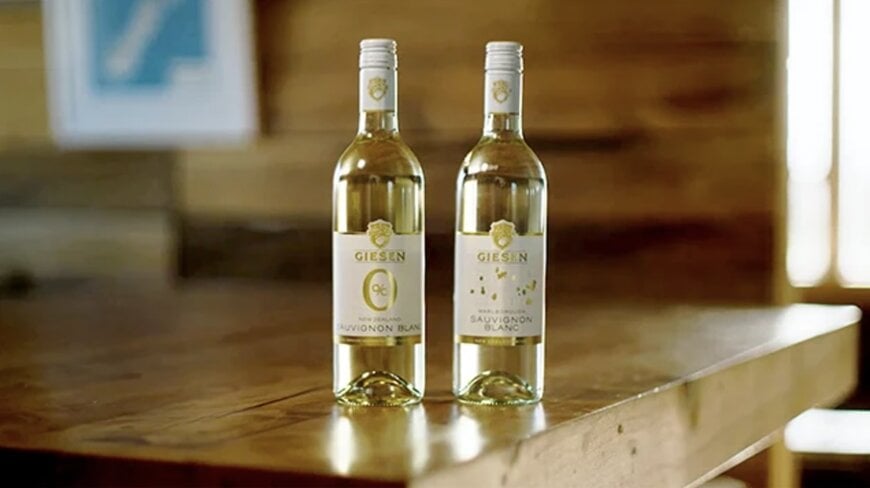
Application Area: Industrial Winemaking and Process Water Conservation
Industry Sector: Food and Beverage Manufacturing
At its Marlborough winery in New Zealand, Giesen Group faced operational challenges driven by climate change and escalating utility expenditures across wine manufacturing workflows. Conventional pneumatic and mechanical grape pressing lines demand substantial volumes of water for washdown cycles and consume considerable electrical energy during batch processing. Concurrently, variable weather conditions frequently result in diseased grape harvests that blind and clog mechanical press screens, interrupting throughput, creating production bottlenecks, and risking the organoleptic profile of Sauvignon Blanc juice.
Streamlined Mechanical Juice Extraction
To resolve throughput limitations, Giesen Group transitioned from traditional batch pressing to continuous centrifugal decanter separation. The decanter unit executes immediate solid-liquid separation by exploiting density differences under centrifugal force, eliminating two complete intermediary processing stages previously required by conventional press cycles.
This rapid extraction mechanism enables the continuous processing of harvested fruit even when grape disease is present, bypassing the screen blinding typical of pneumatic presses. The accelerated cycle isolates solids from the juice phase rapidly, ensuring stable operational throughput while maintaining the target sensory profile and clarity of the wine.
“Using the decanter process for juice separation does mean that we use significantly less power and significantly less water, and for us that’s really important with our sustainability on the side of Giesen wines,” explained Duncan Shouler, Chief Winemaker at Giesen Group.
Process Water Recovery and Circular Infrastructure
Beyond initial extraction efficiencies, the decanter system serves as the primary separation stage within Giesen Group's closed-loop water recovery infrastructure. The system isolates and purges bulk suspended organic solids from process effluent, mitigating the solids load delivered to secondary treatment stages. This clarified stream undergoes secondary conditioning followed by reverse osmosis membrane filtration, producing high-purity, potable-grade water that is recirculated for facility washdown and operational reuse.
Quantifiable Operational and Resource Reductions
Replacing conventional pressing mechanisms with continuous decanter technology enabled Giesen Group to lower winery water consumption by up to 50%. The elimination of two upstream production stages directly reduced facility power demand while streamlining overall batch processing times. By pairing high-throughput juice separation with downstream reverse osmosis purification, the facility established continuous operation during compromised harvests and significantly reduced overall resource dependence.
Edited by Romila DSilva, Induportals Editor, with AI assistance.
www.alfalaval.com
