
www.foodpackautomation.com
26
'26
Written on Modified on
Compostable Biocomposite Closures for Injection-Moulded Rigid Packaging
Amcor and FluidSolids evaluate fibre-based biocomposites made from cellulosic waste for home-compostable rigid packaging closures.
www.amcor.com
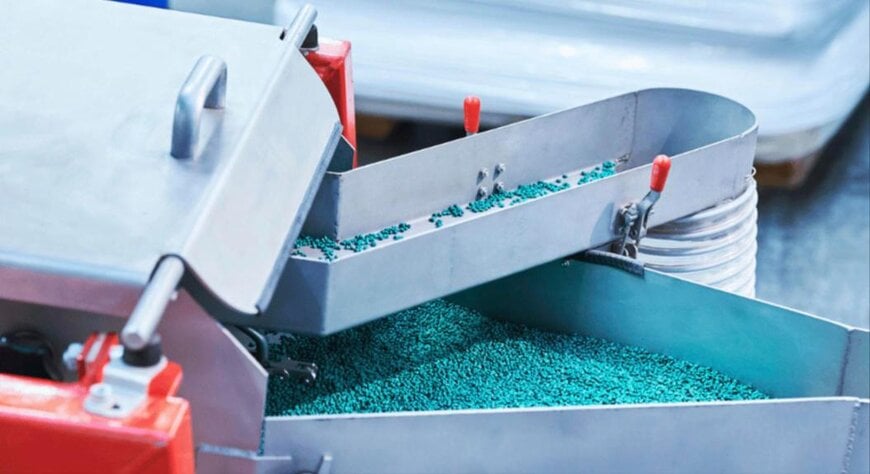
Amcor and the Swiss materials technology company FluidSolids are collaborating to evaluate fibre-based biocomposites for rigid packaging closures and other applications. The work focuses on compostable materials for selected consumer rigid packaging, assessing performance, manufacturability and scale-up for injection-moulded components.
Partners and Responsibilities
The collaboration combines FluidSolids' biocomposite material technology with Amcor's capabilities in packaging design, application development, testing and manufacturing. Amcor, a producer of flexible packaging, rigid packaging, cartons and closures for nutrition, health, beauty and wellness markets, is evaluating the compostable materials in selected consumer rigid packaging applications, with a focus on performance, manufacturability and scale-up.
End-of-Life Options for Rigid Packaging Components
Closures and other small rigid components are not always captured by collection and recycling systems. FluidSolids' biocomposites are designed to break down under home-composting conditions, providing an additional end-of-life option for suitable applications where collection and recycling may not be practical.
Biocomposite Material Platform and Grades
The FluidSolids platform is based on cellulosic fibre waste, natural binders and natural additives. Three material grades are being evaluated for different application requirements, including food-contact suitability, barrier performance and home compostability. One of the grades is also designed to be recyclable through the paper-recycling stream, and paper recyclability is being evaluated for the grade intended to support both end-of-life pathways. Any application and related claim will be subject to validation against the relevant technical, regulatory, certification and customer requirements.
Processing on Standard Injection-Moulding Equipment
Compatibility with existing production assets is a key factor for industrial adoption of alternative packaging materials. Amcor's initial prototyping has shown that the materials can be processed using standard injection-moulding equipment, meaning closures could be produced without dedicated machinery. Further packaging tests are planned, followed by trials for an initial cosmetics application.
"The combination of material functionality and compatibility with established injection-molding technology is particularly promising," said Frank Lehmann, vice president, Corporate Venturing at Amcor.
Applications and Expected Impact
The initial target is consumer rigid packaging closures, starting with a cosmetics application, while food-contact grades are being assessed for broader use. Subject to successful validation, the materials would give brand owners closure options with home-composting or paper-recycling end-of-life routes while retaining established injection-moulding processes.
"Amcor's application expertise, manufacturing capabilities and customer relationships make it a strong partner to evaluate our biocomposites for consumer packaging," said Beat Karrer, founder and CEO of FluidSolids.
Edited by Natania Lyngdoh, Induportals editor, with AI assistance.
www.amcor.com
